
On her graduation day from Princeton University in 2010, Suleika Jaouad's future seemed luminous and limitless.
'At that age, time feels infinite. Feels like you'll figure it out, you have time to try things, to experiment. But as it turned out, I didn't have time,' she said.
Eleven months later, a leukemia diagnosis robbed her of that promise.
NEW YORK TIMES BESTSELLER. A searing, deeply moving memoir of illness and recovery that traces one young woman’s journey from diagnosis to remission and, ultimately, a road trip of healing. Ultimately, Between Two Kingdoms is a book about human connection, a book about the ways Jaouad, now 32, was held by others — the family and friends who cared for her, the doctors and nurses who. At 22, a leukemia diagnosis sent Suleika Jaouad into exactly that kind of retreat. But a year later, faced with a grim prognosis, she realized she didn’t want to wallow—she wanted to make something useful, even beautiful. The founder of Isolation Journals and writer of Between Two Kingdoms shares her story After college, Suleika Jaouad aspired to be a war correspondent. She took a new job in Paris, ready for seemingly infinite possibilities. But just a few months later she was diagnosed with an aggressive form of leukemia and was given a 35% chance of survival.
All that promise was replaced by a brutal chemo regimen that would only provide a one-in-three chance of survival. 'I remember going on social media and seeing photographs of my friends going to parties and starting, you know, new jobs, and traveling. It really felt like my life was over before it really had begun.'
Rare moments of joy – like when an old pal from music camp showed up at the cancer ward with his band – were overwhelmed by her new reality.
Correspondent Jim Axelrod asked, 'What do you remember about how you were able to process it as it was happening?'
'I'm not sure I did a lot of processing. The overwhelm was so great that I was in a state of total shock.'
Isolated, disoriented and voiceless, Jaouad began to write – finding something steadying in her daily journal entries.
Focus axr sd meter hack. 'An act of affirmation?' asked Axelrod.
'It was also an act of imagination,' she said. 'And what I realized in that writing is that, really, survival is its own kind of creative act.'
Posting them on a blog, she caught the eye of a New York Times editor, who offered her a column and video series: 'Life, Interrupted':
Jaouad said, 'My column launched while I was in the bone marrow transplant unit. And I remember waking up the next morning and opening my inbox and seeing hundreds of emails from strangers all around the world.'
Overnight, Jaouad had what she had yearned for most: purpose.
'There's a photograph of me in the transplant unit where I have a vomit bucket under one arm, I have my laptop on my knees, and I'm crying, not because, you know, I'm about to have a bone marrow transplant, but because I've missed a deadline!'
'Setting a standard of multi-tasking?'
'Yeah, there you go! Or workaholism, I don't know,' she laughed.
After a traumatic three-and-a-half-year ordeal of treatment, including that last-chance bone marrow transplant that carried a life-threatening risk of heart failure and organ damage, Jaouad beat the odds – she was cancer-free. No longer sick, but not exactly well, either.'I never felt more lost. I couldn't return to the person I've been pre-diagnosis. I was no longer a cancer patient. But I had no idea who I was.'
'But you knew that you didn't want your life to be defined by the worst thing that ever happened to you?' Axelrod asked.
'I would have to figure out a way, not to move on, because I don't think that's possible, but to move forward.'

From the chest where she kept letters from her readers, she chose 22 letters, and hit the road with her dog, Oscar, for a 100-day, 15,000-mile reset ritual, meeting strangers she felt had something to teach her about healing.
Among them: A professor named Howard in Ohio, who helped her find her footing in a precarious new life. He told her, 'You get immersed in life again. Let's face it: life can be good.'
A joyful, fearless teenage survivor in Florida named Unique, who said, 'I wanna, like, go on a food binge and just eat crazy things like octopus.'
Jaouad told Axelrod, 'To imagine yourself in the future is a radical act of hope. And I wanna be more like that girl!'
An inmate in Texas named Little GQ, who'd written from Death Row and affirmed the power of connection. 'One of the first things he said to me was, you know, 'What did you do during all those years in the hospital?' And I said, 'I got really, really good at Scrabble.' And he looked at me, and he kinda laughed, and he said, 'Me, too!'
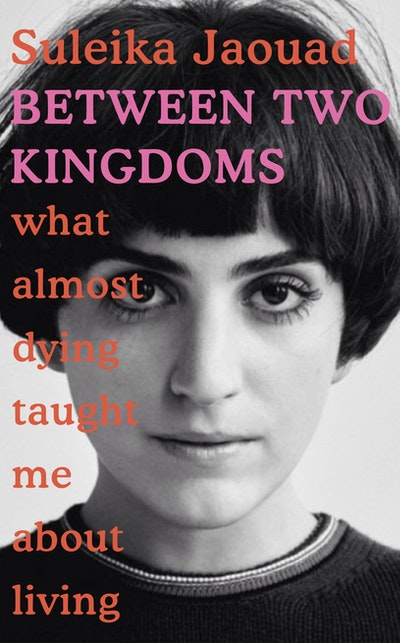
Her struggle to heal is the subject of her new book, 'Between Two Kingdoms.'
She said, 'The title of the book is a reference to the brilliant Susan Sontag, who talks about how we all have dual citizenship in the kingdom of the sick and the kingdom of the well. And it's only a matter of time before we use that other passport.
'But the place that I found myself at was neither.'
A crippling limbo, especially when it came to love .. which is where that band camp buddy comes in. Jon Batiste kept at it with his music, and got himself a pretty good job years later.
Jon Baptiste Wife
Jaouad said, 'It was really hard for me to imagine a future with Jon when I couldn't imagine myself existing in the future yet.'
Axelrod asked Batiste, 'What has she given you in terms of lessons about life, and love?'
'You have a limited time. Get to it,' he replied. 'I think that that is the biggest lesson: embrace the imperfection.'
Their history was just what her heart needed to trust again. She said, 'At every turn when I thought, you know, there was some aspect of this illness experience that was gonna scare him away, he was right there.'
Suleika Jaouad's road trip may have ended, but her journey has not. And she knows the struggle will always be along for the ride.
Axelrod asked, 'Are you healed?'
'To say that I'm healed, uh, would be to imply that there's an endpoint,' she said. 'And I think healing is something that we all do, that we'll all continually do, for the rest of our lives.'
READ AN EXCERPT: 'Between Two Kingdoms' by Suleika Jaouad
For more info:
Story produced by Jay Kernis. Editor: David Bhagat.
On her graduation day from Princeton University in 2010, Suleika Jaouad's future seemed luminous and limitless.
'At that age, time feels infinite. Feels like you'll figure it out, you have time to try things, to experiment. But as it turned out, I didn't have time,' she said.
Eleven months later, a leukemia diagnosis robbed her of that promise.
© Provided by CBS News Suleika Jaouad. / Credit: CBS NewsAll that promise was replaced by a brutal chemo regimen that would only provide a one-in-three chance of survival. 'I remember going on social media and seeing photographs of my friends going to parties and starting, you know, new jobs, and traveling. It really felt like my life was over before it really had begun.'
Rare moments of joy – like when an old pal from music camp showed up at the cancer ward with his band – were overwhelmed by her new reality.
Correspondent Jim Axelrod asked, 'What do you remember about how you were able to process it as it was happening?'
'I'm not sure I did a lot of processing. The overwhelm was so great that I was in a state of total shock.'
Isolated, disoriented and voiceless, Jaouad began to write – finding something steadying in her daily journal entries.
'An act of affirmation?' asked Axelrod.
'It was also an act of imagination,' she said. 'And what I realized in that writing is that, really, survival is its own kind of creative act.'
Ludacris theater of the mind zip. Posting them on a blog, she caught the eye of a New York Times editor, who offered her a column and video series: 'Life, Interrupted':
Jaouad said, 'My column launched while I was in the bone marrow transplant unit. And I remember waking up the next morning and opening my inbox and seeing hundreds of emails from strangers all around the world.'
Overnight, Jaouad had what she had yearned for most: purpose.
'There's a photograph of me in the transplant unit where I have a vomit bucket under one arm, I have my laptop on my knees, and I'm crying, not because, you know, I'm about to have a bone marrow transplant, but because I've missed a deadline!'
© Provided by CBS News Suleika Jaouad. / Credit: CBS News'Setting a standard of multi-tasking?'
'Yeah, there you go! Or workaholism, I don't know,' she laughed.
After a traumatic three-and-a-half-year ordeal of treatment, including that last-chance bone marrow transplant that carried a life-threatening risk of heart failure and organ damage, Jaouad beat the odds – she was cancer-free. No longer sick, but not exactly well, either. 'I never felt more lost. I couldn't return to the person I've been pre-diagnosis. I was no longer a cancer patient. But I had no idea who I was.'
'But you knew that you didn't want your life to be defined by the worst thing that ever happened to you?' Axelrod asked.
'I would have to figure out a way, not to move on, because I don't think that's possible, but to move forward.'
From the chest where she kept letters from her readers, she chose 22 letters, and hit the road with her dog, Oscar, for a 100-day, 15,000-mile reset ritual, meeting strangers she felt had something to teach her about healing.
© Provided by CBS News / Credit: CBS NewsAmong them: A professor named Howard in Ohio, who helped her find her footing in a precarious new life. He told her, 'You get immersed in life again. Let's face it: life can be good.'
A joyful, fearless teenage survivor in Florida named Unique, who said, 'I wanna, like, go on a food binge and just eat crazy things like octopus.'
Jaouad told Axelrod, 'To imagine yourself in the future is a radical act of hope. And I wanna be more like that girl!'
An inmate in Texas named Little GQ, who'd written from Death Row and affirmed the power of connection. 'One of the first things he said to me was, you know, 'What did you do during all those years in the hospital?' And I said, 'I got really, really good at Scrabble.' And he looked at me, and he kinda laughed, and he said, 'Me, too!'
Her struggle to heal is the subject of her new book, 'Between Two Kingdoms.'
© Provided by CBS News / Credit: Random HouseShe said, 'The title of the book is a reference to the brilliant Susan Sontag, who talks about how we all have dual citizenship in the kingdom of the sick and the kingdom of the well. And it's only a matter of time before we use that other passport.
'But the place that I found myself at was neither.'
A crippling limbo, especially when it came to love .. which is where that band camp buddy comes in. Jon Batiste kept at it with his music, and got himself a pretty good job years later.
Jaouad said, 'It was really hard for me to imagine a future with Jon when I couldn't imagine myself existing in the future yet.'
Axelrod asked Batiste, 'What has she given you in terms of lessons about life, and love?'
'You have a limited time. Get to it,' he replied. 'I think that that is the biggest lesson: embrace the imperfection.'
Their history was just what her heart needed to trust again. She said, 'At every turn when I thought, you know, there was some aspect of this illness experience that was gonna scare him away, he was right there.'
Between Two Kingdoms Suleika Jaouad Book
© Provided by CBS News Suleika Jaouad and Jon Batiste. / Credit: CBS NewsBetween Two Kingdoms Suleika Jaouad Pdf
Suleika Jaouad's road trip may have ended, but her journey has not. And she knows the struggle will always be along for the ride.
Axelrod asked, 'Are you healed?'
'To say that I'm healed, uh, would be to imply that there's an endpoint,' she said. Arma 3 ace 3 tutorial. 'And I think healing is something that we all do, that we'll all continually do, for the rest of our lives.'
READ AN EXCERPT: 'Between Two Kingdoms' by Suleika Jaouad
For more info:
- 'Between Two Kingdoms: A Memoir of a Life Interrupted' by Suleika Jaouad (Random House), in Hardcover, eBook and Audio formats, available via Amazon and Indiebound
- Follow Suleika Jaouad on Twitter, Facebook and Instagram
Story produced by Jay Kernis. Editor: David Bhagat.